
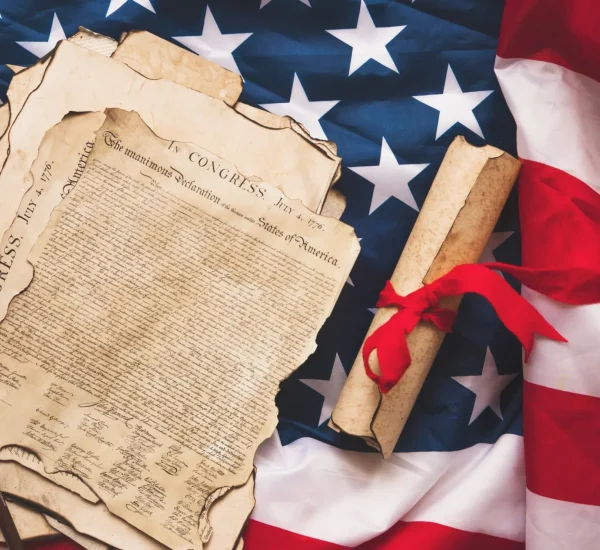
A lot of people think rights protect them automatically. That belief gets crushed the first time a school bans a student paper, a landlord crosses a line, or a police stop turns messy for no good reason. Rights do not defend themselves. You have to know where they live, how they work, and what limits governments can legally impose before you can push back with any force.
That is why rights policies matter far more than patriotic slogans ever will. They sit behind the daily rules that shape speech, privacy, voting, policing, public benefits, workplace disputes, and access to basic fairness. Most people do not lose freedom in one dramatic sweep. They lose it inch by inch, through forms, office rules, local enforcement, and plain old ignorance.
You do not need a law degree to understand the basics. You need clarity, nerve, and a decent sense of when something feels wrong because it probably is. The smartest citizens I know are not the loudest ones. They are the people who can spot bad policy early, ask the right question, and refuse to be pushed around by official-sounding nonsense.
Why rights only matter when you can use them
Rights look noble on paper and fragile in real life. A constitutional promise means little when a person does not know what it covers, when it applies, or how to challenge a bad decision. That gap between theory and use is where most damage happens.
You see it all the time. A parent gets brushed off at a school meeting. A renter accepts an unlawful fee because the notice looked formal. A worker keeps quiet after clear retaliation because the boss sounded confident. Power often wins by sounding settled before anyone checks the facts.
This is where rights policies earn their place. They turn broad ideas into rules, procedures, deadlines, and safeguards. Good policy tells officials what they cannot do. Better policy tells ordinary people what they can do next. That second part matters more than many agencies care to admit.
A real example makes the point. When cities create plain-language complaint systems for police misconduct, more people report abuse and do it earlier. When agencies bury complaint steps three clicks deep and write them like tax code, fewer people act at all. Same right. Different result.
You should judge any public rule by one test: can a normal person use it without begging for insider help? If the answer is no, the protection is weaker than it looks. That is not cynicism. It is civic reality.
The next sections get more specific, because freedom gets tested in specific places.
Free speech sounds simple until real life gets involved
Americans love talking about free speech right up until the speech gets annoying, political, rude, or badly timed. Then the tune changes. The right itself is strong, but the confusion around it is even stronger.
The biggest mistake people make is assuming free speech means freedom from all consequences anywhere. It does not. The First Amendment restrains government action. It does not stop a private employer from setting workplace rules, and it does not force a private website to host every opinion under the sun.
Still, government limits on speech deserve hard suspicion. That includes public school discipline, permit rules for protests, retaliation by public employers, and selective enforcement that targets one viewpoint while pretending to enforce a neutral rule. The trick is rarely an open ban. It is selective pressure.
Consider a local protest permit policy that demands excessive insurance or imposes odd route limits only on unpopular groups. On paper, the city claims order. In practice, it chills speech. That is the kind of move citizens miss when they focus only on loud censorship and ignore technical rules.
Speech rights also depend on context. Threats, defamation, harassment, and some narrow categories of unlawful conduct sit outside full protection. That part is real. But officials often stretch those labels too far because “public safety” sounds respectable.
You need a simple habit here: ask who made the rule, what standard they used, and whether they apply it evenly. Uneven enforcement tells the story faster than any press release. When people know that, free speech stops being a slogan and starts becoming a tool.
Privacy rights are shrinking in quiet ways
Most people picture privacy as a dramatic fight over secret files or illegal wiretaps. Real privacy loss usually looks duller than that. It happens through phone data, school records, license plate readers, building cameras, app permissions, and benefit systems that collect far more than they need.
That makes privacy policy one of the hardest rights areas for citizens to track. The danger does not always feel immediate. No one kicks down your door. No alarm rings. Your information just starts traveling farther than you expected, and decisions get made about you in rooms you never enter.
A sharp example is public surveillance in city spaces. A camera network sold as crime prevention can quickly become a habit of mass observation, especially when rules on storage, access, and sharing stay vague. Weak limits invite mission creep. Officials always promise restraint. Systems almost always expand.
Medical and educational privacy matter too. A school counselor note, disability record, or health update can shape how institutions treat you long after the original issue passes. Once sensitive information spreads, you do not really get it back. You just live with the echo.
This is why policies on retention, consent, access, and deletion deserve more attention than flashy speeches about freedom. Boring language decides real outcomes. A short retention window protects people. A vague “as necessary” standard protects the institution.
You should read privacy notices with one hostile question in mind: what data are they taking that they could easily live without? That is usually where the problem starts. Rights shrink quietly first. The noise comes later.
Due process is the line between order and abuse
Every country claims it wants order. The serious question is what kind of order it wants and who pays for it. Due process is the answer in a constitutional system. It says government cannot punish, detain, suspend, fine, or deprive you first and explain itself later.
That sounds obvious until you watch it fail. A student gets suspended without seeing the evidence. A property owner faces a code penalty with no fair hearing. A person loses a professional license after a rushed board process where the decision looked prewritten from the start. That is not firm government. That is lazy power.
Due process lives in steps. Notice matters. A chance to respond matters. An unbiased decision-maker matters. The right to know the claim against you matters. Miss one of those, and the whole structure starts leaning in the wrong direction.
The counterintuitive part is this: due process does not slow good government nearly as much as officials claim. Clear procedures often prevent messes, lawsuits, reversals, and public anger later. Fast and sloppy feels efficient for a week. Then the bill arrives.
I have always thought due process is where a society reveals its character. Anyone can act fair toward people they agree with. The test comes when the target is unpopular, broke, confused, or hard to defend in public.
If you ever face a government action, do not focus only on the result. Focus on the road they took to get there. Bad process often exposes bad substance. That is where smart resistance begins.
Equal protection decides who gets treated fairly
Nothing exposes a weak democracy faster than selective fairness. A law can look neutral and still land very differently depending on race, neighborhood, income, disability, religion, or language access. Equal protection exists because unequal treatment rarely arrives wearing a name tag.
The common dodge is procedural neutrality. An office says everyone follows the same rule, yet the impact hits one group much harder because the starting conditions were never equal. A voter ID rule may look uniform, for example, while burdening rural, elderly, or low-income citizens who face tougher document barriers.
Housing gives another grounded example. Two applicants can present similar income, similar rental history, and similar references, yet one keeps hearing “the unit is no longer available.” That pattern tells you more than polished policy binders ever will. Discrimination rarely announces itself. It performs innocence.
Equal protection arguments also matter in schools, policing, disability access, and public services. The point is not to demand identical outcomes in every case. The point is to stop government from sorting people into classes of convenience and calling it administration.
This section also ties back to the others. Speech, privacy, and due process become hollow when only some people can count on them. A right that works mostly for the comfortable is not a settled right. It is a conditional privilege.
You should pay close attention when officials defend disparities with phrases like “that is just how the system works.” Systems are built by choices. They can be rebuilt by choices too. Fairness is never accidental for long.
Voting rights still rise or fall on policy choices
People talk about voting as if the battle ended decades ago. That is wishful thinking dressed as civic pride. The right to vote remains active terrain, shaped every election cycle by registration rules, district maps, ballot access, polling place decisions, mail voting standards, and counting procedures.
Here is the blunt truth: a right can exist formally while being weakened practically. If registration is confusing, polling places are scarce, wait times stretch for hours, and absentee rules keep changing, the right survives on paper while participation gets squeezed in real life.
Redistricting is a perfect case. Lines on a map sound technical until you realize they shape who has a voice and whose vote gets diluted. Policy can pull communities together or slice them apart with surgical intent. Geography becomes power wearing khakis.
Access also depends on trust. When officials give late, muddy, or conflicting guidance about deadlines and ballots, voters lose confidence. Some still push through. Others give up. That is why clean election administration matters as much as election law itself.
This is a good place to remember your role. Read local rules early. Verify registration before election season gets noisy. Learn where your polling place is, what identification is required, and how provisional ballots work in your state. Small preparation beats last-minute outrage.
The wider point is simple. Rights do not stay healthy because history books say they matter. They stay healthy because citizens treat them like something alive. Voting proves that every single cycle.
For more on related legal basics, you can link internally to your due process guide and your voter access checklist. For a public reference point, see USA.gov’s civil rights resources.
Conclusion
The smartest way to think about freedom is not as a possession, but as maintenance. You do not inherit a finished system and admire it from a safe distance. You keep it working by learning the rules, spotting weak points, and refusing to confuse official language with lawful behavior.
That is why rights policies deserve your attention even when they look dry, technical, or buried in paperwork. They decide whether your speech gets chilled, whether your data gets over-collected, whether a hearing is fair, whether equal treatment means anything, and whether your vote carries real weight. These are not side issues. This is daily citizenship.
My strong view is simple: people lose rights fastest when they outsource vigilance to institutions that prefer convenience over accountability. Governments need rules. Citizens need spine. Both things can be true at once.
So do the next practical thing. Read one local policy that affects your life. Check one deadline. Save one complaint process. Learn one appeal path. Then teach someone else. A free society does not run on vibes. It runs on informed people who know when to say, “No, that rule does not get to cross this line.”
FAQs
What are rights policies in the United States?
Rights policies are the rules and legal standards that shape how your freedoms work in daily life. They affect speech, privacy, voting, policing, schools, housing, and benefits. They matter because your rights depend on enforcement, not just noble words.
Why should ordinary citizens learn about rights policies?
You should learn them because confusion helps institutions, not you. When you know the rules, you spot abuse faster, ask better questions, and push back with facts. That can change outcomes in school disputes, workplace issues, housing problems, and public encounters.
How do rights policies affect free speech in real life?
They shape where, when, and how government may limit expression. A protest permit rule, school discipline code, or public workplace policy can either protect speech or chill it. The key question is whether officials apply the rule evenly and lawfully.
Are privacy rights getting weaker in America?
Privacy rights face more pressure because data collection keeps growing faster than public understanding. Cameras, apps, schools, employers, and agencies gather information constantly. Weak rules on storage, sharing, and consent create problems long before most people realize how exposed they have become.
What does due process really protect me from?
Due process protects you from unfair government action. It requires notice, a chance to respond, and a fair decision-maker before major penalties or deprivations happen. Without those steps, official power becomes arbitrary, and ordinary people end up absorbing the damage first.
How does equal protection apply to everyday life?
Equal protection matters when laws or public practices treat people unfairly based on status or group identity. You see it in schools, policing, voting, disability access, and housing. Neutral wording does not excuse a policy when real-world impact lands unevenly.
Why do voting rights still need public attention?
Voting rights still need attention because access can be narrowed without banning voting outright. District maps, registration steps, polling place cuts, and ballot deadlines all shape participation. Small policy changes can quietly weaken representation while leaving the public-facing right technically untouched there.
Can a private company violate my constitutional rights?
Usually, constitutional protections target government actors, not private companies. That said, private conduct may still break other laws involving discrimination, contracts, labor rights, or consumer protection. The smart move is identifying who acted, what rule applies, and which remedy fits.
What should I do if a public agency ignores my rights?
Start by documenting everything clearly. Save notices, emails, dates, names, and any witness details. Then check the agency’s complaint or appeal process, meet deadlines, and stay precise. Rights cases often turn on records, timing, and whether you raised objections early.
How can I tell if a policy is unfair or illegal?
Ask three things: who made the rule, who it affects most, and whether it gets enforced evenly. If the language is vague, the burden falls unevenly, or officials dodge review, you may be looking at a policy that deserves challenge.
Do rights policies change often or stay mostly the same?
The core rights stay, but the rules around them shift more than people think. Court rulings, agency guidance, state laws, and local procedures can all reshape how protections work. That is why staying informed beats assuming last year’s answer still holds today.
What is the best first step for becoming more informed?
Pick one area that affects your life right now, then read the actual rule behind it. Start local, not abstract. School policy, housing standards, police complaint procedures, and voter rules teach more practical citizenship than ten dramatic social media arguments.